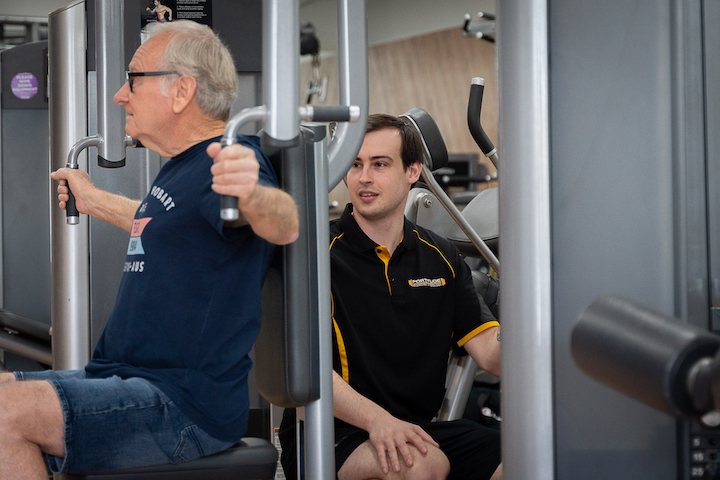
Yes, exercise can make a real difference for people living with COPD. The right exercises help you breathe easier, move with more confidence, and feel less fatigued in daily life. While exercise won’t reverse the damage to your lungs, it can greatly improve how well they function and how much you’re able to do.
At Fortitude Exercise Physiology, our accredited team specialises in helping people manage chronic conditions like COPD through safe, tailored exercise programs. With the right plan and professional guidance, you can rebuild strength, reduce breathlessness, and take control of your health.
Quick Summary: Why COPD Exercises Matter
- Improve oxygen use and circulation
- Strengthen muscles that support breathing
- Reduce shortness of breath and fatigue
- Boost confidence and independence
- Support better sleep and mood
- Slow down physical deconditioning
- Promote long-term health and wellbeing
Understanding COPD and the Role of Exercise
What is COPD?
Chronic Obstructive Pulmonary Disease (COPD) is a long-term lung condition that makes it difficult to move air in and out of the lungs. It includes chronic bronchitis and emphysema. People with COPD often experience shortness of breath, persistent coughing, and reduced exercise tolerance.
Because these symptoms make physical activity harder, many people naturally move less. Over time, this leads to muscle weakness, poorer oxygen use, and even more breathlessness—a cycle that can feel hard to break.
Why Exercise is Essential for COPD
Exercise helps interrupt that cycle. It improves oxygen efficiency, strengthens your heart and lungs, and supports better muscle function. Regular physical activity can:
- Increase stamina and strength
- Reduce breathlessness during activity
- Improve heart and lung efficiency
- Enhance confidence and overall wellbeing
Research shows that pulmonary rehabilitation—structured exercise combined with education—can significantly improve quality of life for people with COPD. You can learn more about this holistic approach to exercise through our chronic disease management services.
Even simple, consistent movement can make it easier to walk, climb stairs, and stay active. At Fortitude, we work closely with your healthcare team to ensure every exercise is safe, evidence-based, and designed to help you breathe easier while building lasting strength.
The Benefits of Regular COPD Exercises
Physical Benefits
Exercise helps your body use oxygen more effectively and reduces the effort your lungs need to make. Key physical benefits include:
- Improved oxygen uptake and circulation
- Stronger respiratory and postural muscles
- Reduced breathlessness during daily tasks
- Greater mobility, balance, and endurance
Mental and Emotional Benefits
Living with COPD can impact energy, confidence, and mood. Exercise offers a natural boost to both physical and mental wellbeing:
- Reduced anxiety and stress (see our blog on the benefits of exercise on chronic pain for more on how movement helps mind and body)
- Improved sleep quality
- Higher energy and motivation
- Greater confidence and control over symptoms
At Fortitude, we focus on helping you feel stronger both physically and emotionally through progressive, achievable exercise goals.
The Best Types of Exercises for COPD
Breathing Exercises
Breathing control is the foundation of any COPD exercise plan.
- Pursed-lip breathing: Inhale through your nose, then exhale slowly through pursed lips to keep airways open.
- Diaphragmatic (belly) breathing: Strengthens your diaphragm and encourages deeper, more efficient breaths.
Aerobic Exercises
Cardiovascular exercise improves circulation and oxygen use.
- Recommended activities: walking, cycling, or swimming
- Aim for 20–30 minutes, four to five times a week
- Break into shorter sessions if needed, If only just starting to exercise on a regular basis it is best to start with lower frequency and duration and gradually increase overtime as exercise tolerance increases
You can also explore safe, supervised group fitness classes to help you stay motivated while improving cardiovascular health. For those managing heart or lung conditions together, our article on exercising with atrial fibrillation offers additional guidance.
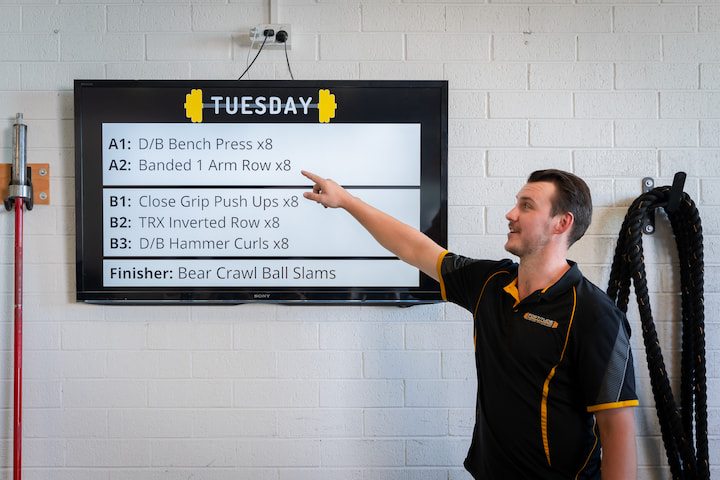
Strength and Resistance Training
Light resistance work builds strength and helps posture.
- Focus on arms, shoulders, and back to support breathing
- Include lower body exercises for balance and independence
- Two to three sessions per week is ideal
Learn more about how we support safe, effective strengthening through our strength and conditioning programs and the government-endorsed Strength for Life initiative.
Flexibility and Stretching
Stretching keeps joints mobile and chest muscles relaxed.
- Focus on the shoulders, upper back, and chest
- Hold stretches for 20–30 seconds before and after sessions
Improved flexibility also benefits posture, as explored in our blog on the benefits of exercise for lower back pain.
Mind-Body Exercises
Gentle forms like yoga and tai chi combine movement with controlled breathing.
- Encourage relaxation and mindfulness
- Improve breathing rhythm and posture
- Reduce anxiety linked to breathlessness
Safety Tips and Guidelines for Exercising with COPD
Before You Start
- Consult your GP or exercise physiologist to assess lung function and oxygen needs.
- Start with low-intensity movement and progress gradually.
- Warm up and cool down before and after each session.
During Exercise
- Focus on breathing control and pacing.
- Use supplemental oxygen if prescribed.
- Stay hydrated and avoid poor air quality or extreme weather. Take longer breaks between exercises if required to avoid over-exertion and hyperventilation
When to Stop or Seek Help
Stop exercising and seek medical advice if you experience:
- Chest pain or tightness
- Severe or increasing breathlessness
- Dizziness or light-headedness
- Blue lips or fingertips
Listening to your body and adjusting your pace helps keep exercise safe and sustainable.
Working with an Exercise Physiologist
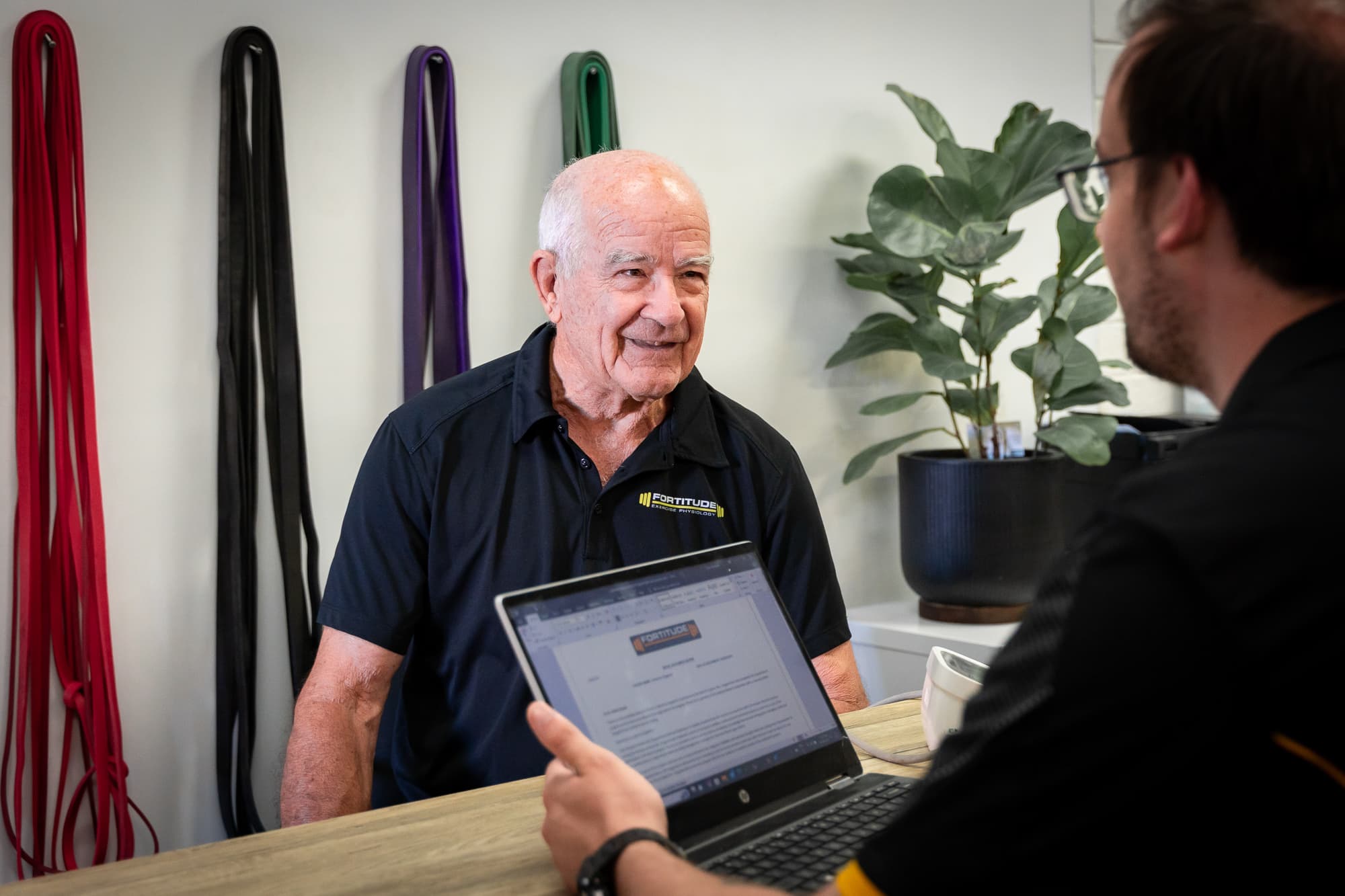
Managing COPD is about exercising the right way. A qualified exercise physiologist can ensure every session is safe, effective, and adapted to your condition.
At Fortitude Exercise Physiology, our programs are built specifically for people living with COPD and other chronic health conditions.
Our Approach Includes:
- Comprehensive assessment: Reviewing your medical history, breathing patterns, and current activity levels.
- Personalised exercise prescription: Combining aerobic, strength, and breathing exercises matched to your ability.
- Ongoing support and supervision: Monitoring your progress and adjusting your plan as needed.
- Collaboration with healthcare providers: Working alongside your GP and specialists for cohesive care.
Many clients also transition into ongoing personal training to maintain long-term fitness and motivation after completing their clinical program.
Working with a professional gives you the confidence to move safely, knowing each exercise is designed for your needs. Our clients often find they not only breathe better but feel more in control of their health and capable in daily life.
Living Well with COPD Through Exercise
COPD exercises can’t cure the condition, but they can completely transform how you live with it. By improving oxygen use, building strength, and reducing fatigue, you can regain confidence in your breathing and enjoy a more active lifestyle.
With expert guidance, exercise becomes safe, structured, and empowering. Under the supervision of an accredited exercise physiologist, you can move with purpose and gradually rebuild your stamina and wellbeing.
At Fortitude Exercise Physiology, we help people with COPD move better, breathe easier, and feel stronger.
Book a consultation today and take the first step toward better breathing and better living.